0 Shopping Cart

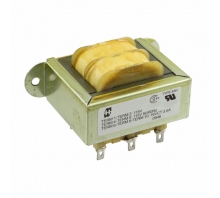
Hammond Manufacturing 186E16

Número de pieza:

186E16

Fabricante:

Hammond Manufacturing

Ventron Nro.:

5030973-186E16

Descripción:

XFRMR LAMINATED 56VA CHAS MOUNT

Ficha de datos:

186E16

Pago:

Payment

Entrega:

Delivery

Solicitud rápida de cotización

Envíe RFQ y le responderemos de inmediato.

Número de pieza
Cantidad
Compañía
Correo electrónico
Teléfono
Comments
  • One Stop Service

    Servicio de ventanilla única

  • Competitive Price

    Precio competitivo

  • Source Traceability

    Trazabilidad de origen

  • Same Day Delivery

    Entrega el mismo día

Presupuesto

Hammond Manufacturing 186E16 Especificaciones técnicas, atributos, parámetros y piezas con especificaciones similares a Hammond Manufacturing 186E16.

  • Factory Lead Time
    12 Weeks
  • Mount
    Chassis Mount, Panel
  • Mounting Type

    Mounting Type refers to the method by which an electronic component is attached to a printed circuit board (PCB) or other surface. Common mounting types include: * Through-hole: Component leads are inserted into holes in the PCB and soldered on the other side. * Surface-mount: Component is placed on the surface of the PCB and soldered in place. * Press-fit: Component is pressed into place on the PCB without soldering. * Socket: Component is inserted into a socket on the PCB, allowing for easy replacement. The mounting type is determined by factors such as the component's size, shape, and power requirements.

    Chassis Mount
  • Weight
    1.7lbs 771.1g
  • Series

    Series, in the context of electronic components, refers to the arrangement of components in a circuit. When components are connected in series, they form a single path for current to flow through. The total resistance of a series circuit is the sum of the individual resistances of each component. Series connections are often used to control the flow of current in a circuit, as the total resistance can be adjusted by changing the number or type of components in the series.

    186
  • Size / Dimension
    93.47mm Lx45.97mm W
  • Part Status

    Part Status is an electronic component parameter that indicates the availability and production status of a component. It is typically used to inform customers about the availability of a component, whether it is in production, end-of-life, or obsolete. Part Status can also provide information about any restrictions or limitations on the component's use, such as whether it is only available for certain applications or if it has been discontinued.

    Active
  • Moisture Sensitivity Level (MSL)

    Moisture Sensitivity Level (MSL) is a measure of the susceptibility of a surface mount electronic component to moisture-induced damage during soldering. It is classified into six levels, from 1 (least sensitive) to 6 (most sensitive). MSL is determined by the materials used in the component's construction, including the solderability of its terminals and the presence of moisture-absorbing materials. Components with higher MSL ratings require more stringent handling and storage conditions to prevent moisture absorption and subsequent damage during soldering.

    Not Applicable
  • Termination

    Termination refers to the electrical characteristics of a component or circuit at its input or output terminals. It describes how the component or circuit interacts with external signals or devices. Termination can involve matching impedance, providing voltage or current regulation, or filtering unwanted signals. Proper termination ensures efficient signal transfer, minimizes reflections, and prevents damage to components. It is crucial for maintaining signal integrity and optimizing circuit performance.

    Quick Connect
  • Power Rating
    56W
  • Max Power Dissipation
    56W
  • Current Rating

    Current Rating is the maximum amount of current that an electronic component can safely handle without overheating or failing. It is typically expressed in amperes (A) or milliamperes (mA). Exceeding the current rating can damage the component and potentially create a safety hazard. The current rating is determined by the physical characteristics of the component, such as its size, material, and construction.

    3.5A
  • Termination Style

    Termination Style refers to the method used to connect an electronic component to a circuit board or other components. It describes the physical form and electrical characteristics of the connection point. Common termination styles include through-hole, surface mount, and press-fit. Through-hole components have leads that are inserted into holes on the circuit board and soldered in place. Surface mount components are soldered directly onto the surface of the circuit board. Press-fit components are inserted into holes on the circuit board and held in place by friction.

    Solder, Quick Connect
  • Approval Agency
    CSA, UL
  • Voltage - Isolation

    Voltage - Isolation refers to the maximum voltage that can be applied between two points in an electronic component without causing electrical breakdown. It is a measure of the component's ability to withstand high voltages without allowing current to flow between the points. A higher voltage isolation rating indicates that the component can withstand higher voltages without failing.

    2000Vrms
  • Lead Length

    Lead length refers to the distance between the body of an electronic component and the point where its leads or terminals emerge. It is a crucial parameter that affects the component's performance, reliability, and ease of assembly. Lead length influences factors such as inductance, capacitance, and heat dissipation. Longer leads can increase inductance and capacitance, which may impact signal integrity and circuit performance. They can also affect heat dissipation, as longer leads provide a larger surface area for heat transfer. Optimal lead length is determined based on the component's intended application and the desired electrical and thermal characteristics.

    6.35mm
  • Max Output Current
    3.5A
  • Power - Max
    56VA
  • Voltage - Primary
    115V 230V
  • Primary Winding(s)
    Dual
  • Center Tap
    Yes
  • Voltage - Secondary (Full Load)
    16V
  • Secondary Winding(s)
    Single
  • Height

    Height, in the context of electronic components, refers to the vertical dimension of the component. It is typically measured in millimeters (mm) or inches (in). Height is an important parameter to consider when designing and assembling electronic circuits, as it affects the overall size and form factor of the device. Components with a smaller height are often preferred for applications where space is limited, such as in portable devices or embedded systems.

    49.02mm
  • Height Seated (Max)
    57.15mm
  • RoHS Status
    ROHS3 Compliant

Descripción

part#186E16, Manufacturer:Hammond Manufacturing is available at ventronchip.com, see description of 186E16 as below .use the request quote form to request 186E16 price and lead time.Every pieces of Electronic Components you buy from ventronchip.com is warranty and quality guaranted.we are an independent distributor of electronic components with extensive inventory in stock.The price and lead time for 186E16 depending on the quantity required, availability and warehouse location.
186E16 More Descriptions
Tx 115/230, 56Va 50/60Hz Rohs Compliant: Yes |Hammond 186E16
Transformer, 56VA, Chassis, Pri:115/230VAC, Sec:16VCT, 3.5A, Dual Bobbin | Hammond Manufacturing 186E16
Transformers 115/230, 56VA,16VCT
transformer - low voltage, chas
XFRMR LAMINATED 56VA CHAS MOUNT
Open Frame Low Voltage Chassis Mount Transformer with DUAL 115/230 VAC Primary & 16V C.T. Secondary 3.5 Amps, 56 VA Rated, with Quick Connect÷Solder Terminals

Comparación de productos

Las tres partes de la derecha tienen especificaciones similares a 186E16.
  • Image
    Part Number
    Manufacturer
    Factory Lead Time
    Mount
    Mounting Type
    Weight
    Series
    Size / Dimension
    Part Status
    Moisture Sensitivity Level (MSL)
    Termination
    Power Rating
    Max Power Dissipation
    Current Rating
    Termination Style
    Approval Agency
    Voltage - Isolation
    Lead Length
    Max Output Current
    Power - Max
    Voltage - Primary
    Primary Winding(s)
    Center Tap
    Voltage - Secondary (Full Load)
    Secondary Winding(s)
    Height
    Height Seated (Max)
    RoHS Status
    ECCN Code
    Lead Free
    REACH SVHC
    View Compare
  • 186E16
    186E16
    12 Weeks
    Chassis Mount, Panel
    Chassis Mount
    1.7lbs 771.1g
    186
    93.47mm Lx45.97mm W
    Active
    Not Applicable
    Quick Connect
    56W
    56W
    3.5A
    Solder, Quick Connect
    CSA, UL
    2000Vrms
    6.35mm
    3.5A
    56VA
    115V 230V
    Dual
    Yes
    16V
    Single
    49.02mm
    57.15mm
    ROHS3 Compliant
    -
    -
    -
    -
  • 186E24
    12 Weeks
    Chassis Mount, Panel
    Chassis Mount
    1.7lbs 771.1g
    186
    93.47mm Lx45.97mm W
    Active
    Not Applicable
    Quick Connect
    57.6W
    57.6W
    2.4A
    Solder, Quick Connect
    CSA, UL
    2000Vrms
    6.35mm
    2.4A
    57.6VA
    115V 230V
    Dual
    Yes
    24V
    Single
    49.02mm
    57.15mm
    ROHS3 Compliant
    EAR99
    Lead Free
    -
  • 186E20
    12 Weeks
    Chassis Mount
    Chassis Mount
    1.8lbs 816.5g
    186
    93.47mm Lx45.97mm W
    Active
    Not Applicable
    Quick Connect
    56W
    56W
    2.8A
    Solder, Quick Connect
    -
    2000Vrms
    6.35mm
    2.8A
    56VA
    115V 230V
    Dual
    Yes
    20V
    Single
    49.02mm
    57.15mm
    ROHS3 Compliant
    -
    -
    -
  • 186E48
    4 Weeks
    Chassis Mount
    Chassis Mount
    1.7lbs 771.1g
    186
    93.47mm Lx45.97mm W
    Active
    Not Applicable
    Quick Connect
    57.6W
    57.6W
    1.2A
    Solder, Quick Connect
    -
    2000Vrms
    6.35mm
    1.2A
    57.6VA
    115V 230V
    Dual
    Yes
    48V
    Single
    49.02mm
    57.15mm
    ROHS3 Compliant
    -
    -
    No SVHC

Proceso de dar un título

  • ISO 9001
  • ISO 13485
  • ISO 45001
  • ASA
  • ESD
  • DUNS
  • SMTA
  • ROHS

Últimas noticias

  • 30 June 2025
    Understanding hFE in Transistors
      What is hFE of a Transistor? hFE Specifications in Datasheets​ The Importance of hFE in Transistors How to Find the hFE of a Transistor? How to Calculate hFE of a Transistor? Factors Affecting...
  • 02 July 2025
    Nanofarads to Microfarads Capacitance Conversion Guide
      Understanding Capacitance Units Farad and Capacitive Measurements Explained Capacitance Conversion Formulas​ How to Convert Nanofarads to Microfarads? Capacitance Conversion Table  Standard Capacitance Values and E-series​ Calculating Capacitive Reactance in AC Circuits Tools and Calculators for...
  • 03 July 2025
    220 Ohm Resistor Color Code & Applications
      Understanding the 220 Ohm Resistor​ 220 Ohm Resistor Specifications 220 Ohm Resistor Features​ 220 Ohm Resistor Package Types​ 220 Ohm Resistor Color Code​ How to Read the Resistor Color Code?​ What is a 220...
  • 07 July 2025
    AA vs AAA vs AAAA Battery Differences Explained
      What Is an AA Battery? AA Battery Specification What Is an AAA Battery?​ AAA Battery Specification​ What Is an AAAA Battery?​ AAAA Battery Specification AA vs AAA vs AAAA Battery Differences​ AA vs AAA vs...